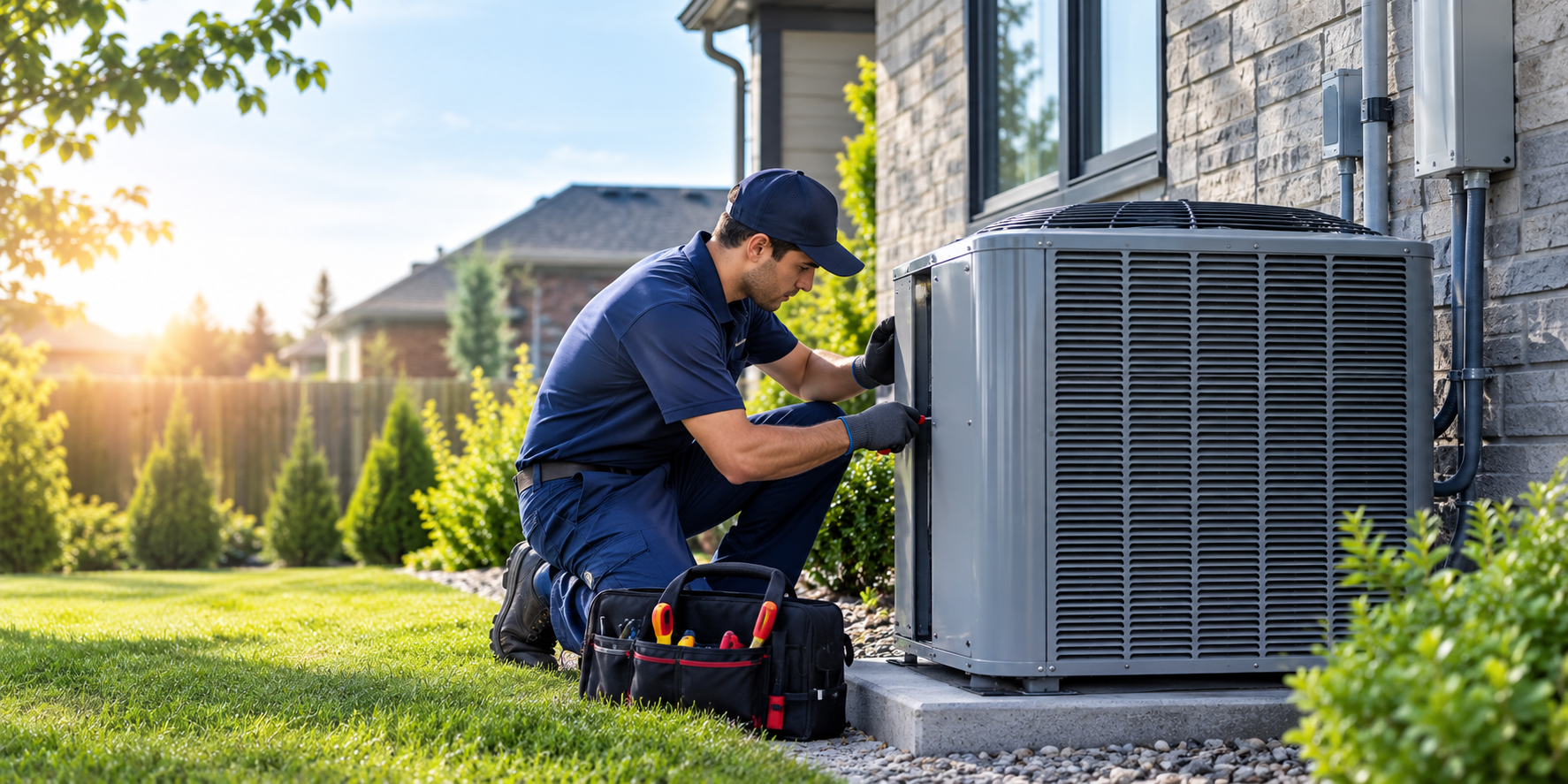
Finding a puddle around your furnace on a cold January morning is not fun. Water and a heating system aren’t a great mix, and it’s natural to wonder if something serious is going on. Sometimes the cause is minor and easy to sort out. Other times it’s a sign you need professional furnace repair in Toronto before a small problem becomes an expensive one.
Table of Contents
ToggleWhy Is Your Furnace Leaking Water?
Some water is normal, especially with newer equipment. High-functional furnaces pull a lot of heat out of the exhaust gases that the gases cool and abridge into liquid. That liquid is assumed to deplete away from a small pipe. When it ends up in your basement instead, something in that drainage path has gone wrong.
Common Causes
- A clogged condensate line. This is the most common culprit. Over a period of time, dust, sludge, and algae forms up inside the drain tube. Once it blocks, the water reverses and spills out. Several furnaces also have a protection switch that closes the system down when the condensate reverses.
- An unsuccessful condensate pump. In most of the Toronto basements, the furnace is fixed below the drainage level, a tiny pump thrusts the water upwards and outwards. When the pump breaks or its float switch lodges, the water remains stuck.
- Broken or failed drain hosepipes. Hosepipes become delicate and the network loose with vibration and age. You typically observe a slow, firm driblet instead of a flood.
- A humidifier problem. The furnace linked to a supply of water when a whole house humidifier is affixed to the furnace can lead to a jammed valve, damaged water panel, or a restricted drain that seems like the furnace is leaking on its own.
- A blocked or poorly installed vent. If the exhaust pipe isn’t sloped properly or gets partially blocked, condensation can pool and leak at the joints.
- Your air conditioner. If the AC relies on the furnace’s air handler, an iced up or blocked evaporator drain can result in water near the furnace during hot weather.
What to Do Right Away
Switch off the furnace from the thermostat and the power button, then clean up the water to prevent it from slipping . But if you have a humidifier, shut down its water provision valve. Inspect the noticeable condensate tubing for twists or visible clogs. Refrain from pouring any sort of chemicals or bleach in the pipe line without being aware of what your unit can deal with.
When to Call a Professional
Clean up a puddle initially and it at no point comes back? you can now possibly chill. Seek assistance of a technician when:
- The leak frequently returns once you wipe it up
- The furnace won’t turn on or retains turning off
- You notice rust, corrosion, or discoloured water
- There’s a weird smell, smut, or any signal of exhaust issues
- Water shows around the burners or electrical parts
How to Prevent Leaks
An yearly check up prior to winter is the uncomplicated fix. Professional technicians rinse condensate lines, examine the pump, and capture the damaged components prior. Replacing your filter routinely and keeping the zone near the furnace clean also helps.
Final Thoughts
A furnace that is leaking is not instinctively a mess, in fact it’s your hvac unit giving you alert signals that some part may need your focus. Catching it prior often indicates an easier, economical fix, so get it checked before it becomes a major issue.
Frequently Asked Questions:
Is a furnace leaking water dangerous?
Not always, but it shouldn’t be ignored. Water can damage electrical parts and cause mold. If the leak comes from a corroded heat exchanger, there may be a carbon monoxide risk, so have it checked quickly.
Why does a high-efficiency furnace produce water?
It extracts so much heat from the exhaust that the gases condense into liquid. The furnace is designed to drain this condensate away, so the water only becomes a problem when it escapes the drain.
Can a clogged condensate line shut my furnace off?
Yes. Many furnaces have a safety switch that stops the system when drain water backs up. That protects the unit, but it also means no heat until the blockage is cleared.
Can a humidifier cause a furnace to leak?
Absolutely. A stuck valve, blocked drain, or worn-out pad can let water spill. If your leak appears near the humidifier, check it first.